Thank you very much for your message. These observations and remarks are very relevant.
My previous explanations were much too vague and confusing, I sincerely apologize for that.
I will try to explain this more clearly and precisely.
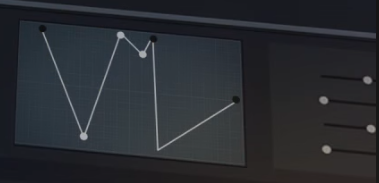
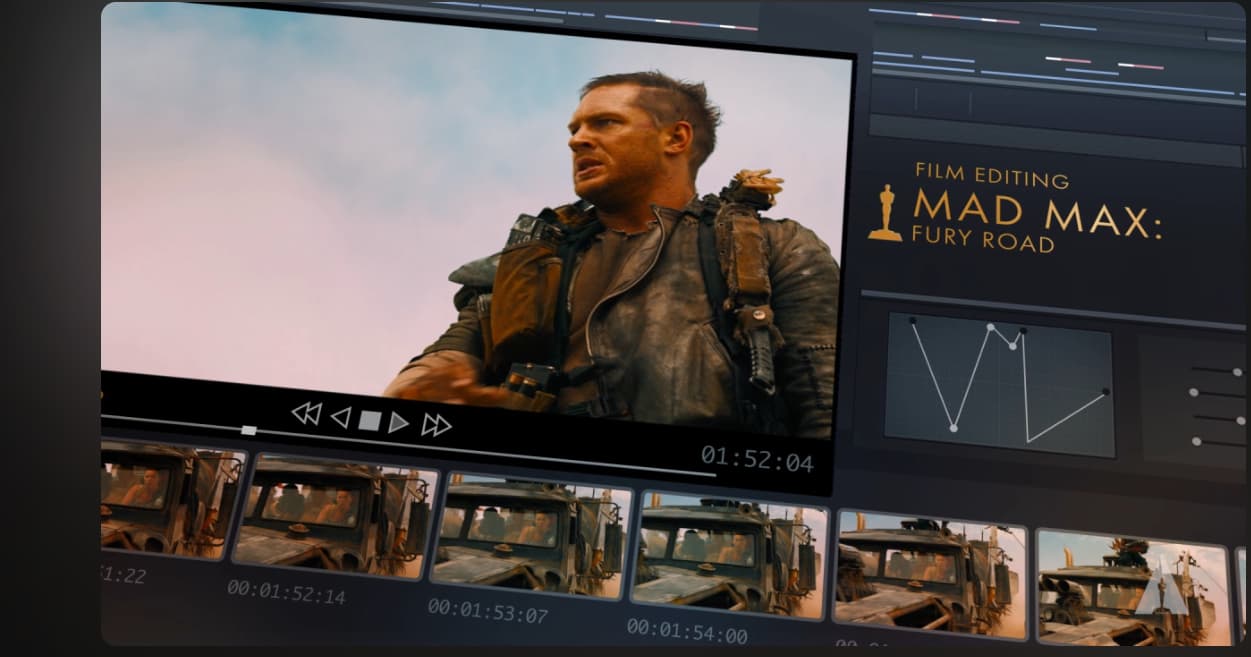
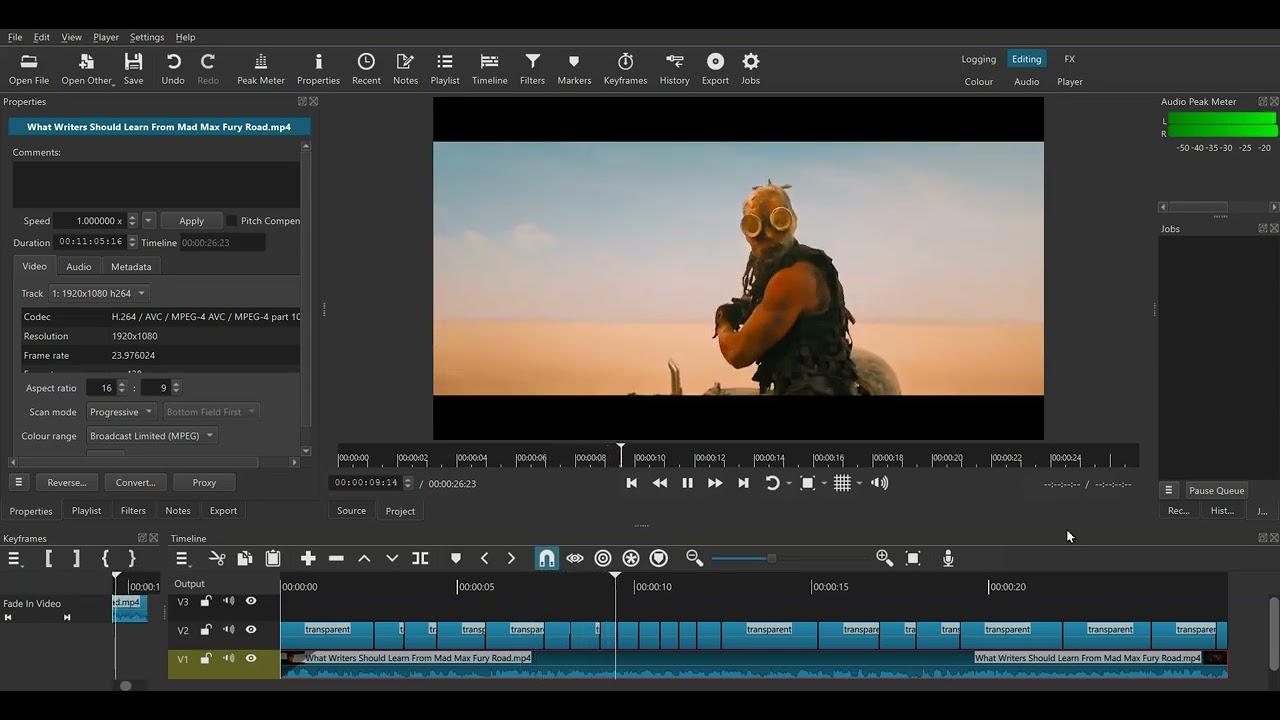
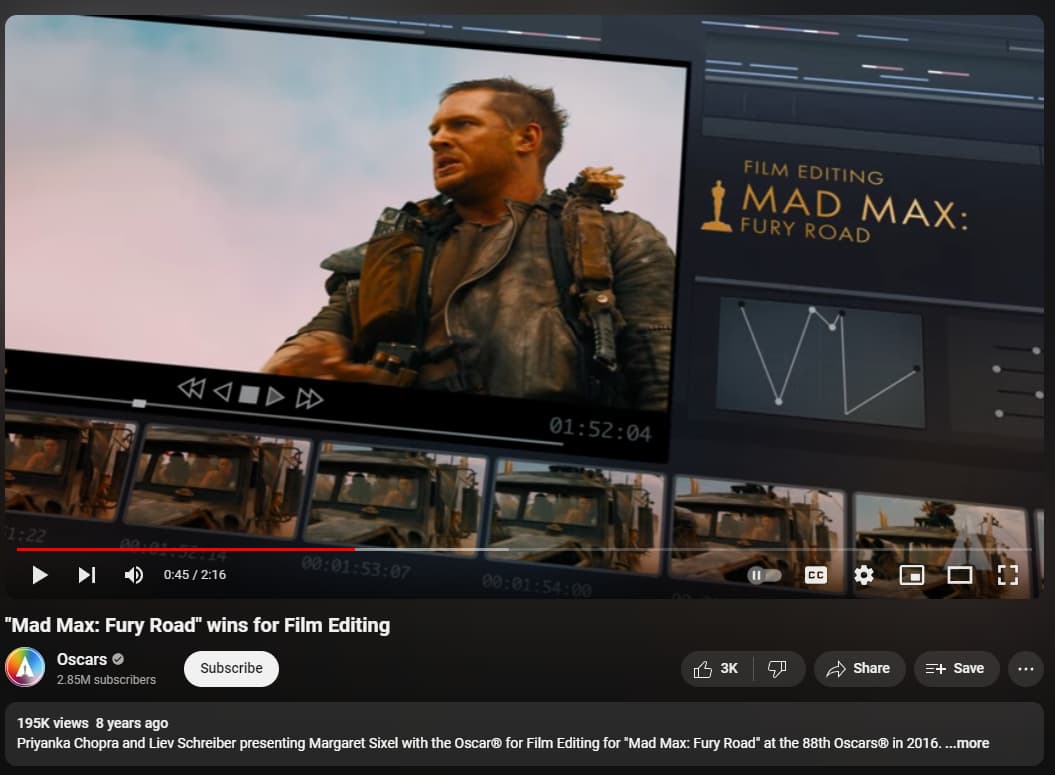
The edit pacing graphic I showed you as an example in my first post comes from the timeline shown above from the movie “Mad-Max Fury Road.”
To further illustrate my point, here is a short extract from the film’s script:
----Furiosa honds the horn twice to declare war.
They speed up across the desert, Furiosa in the War Ring following a small war boy car with several other cars and motorbikes behind her.
A wire springs up in front of them. A booby trap! The first car hits it at full speed. It flips over and lands on its head in a pit of spikes.-----
Editor Margaret Sixel creates a very intense and emotional rhythm of tension for this type of action scene.
On the editing table, when the points of the graphics are placed at the top, the rhythm of the scene will be intense and makes it possible to determine the cuts within the shots.
Conversely, when the points of the rhythm graphic are placed at the bottom, the rhythm will be calmer.
In the following very short passage of the film you will see from 3:16 to 3:27 the extract of the sequence edited in the editing table: https://youtu.be/9u6DwJOs604?feature=shared
From what I understand, when Max is fighting on the roof of the truck against the warrior, the dot will be placed at the top of the graphic to give tension to the scene.
When zooming out on Furiosa’s truck, the line on the graph goes back down and there is a dot placed at the bottom, the rhythm becomes intensely calm showing Furiosa’s unsettling determination to fight the enemy.
As we can see in the editing table timeline, this sequence has cuts within the shots, made by the editing software according to the indications given by the positioning of the point on the graph.
The dot bars located right next to the rhythm graph relate to the transitions between scenes which are, in this context, very fast to also create the tension of the sequences.
Coming back to the scene’s montage rhythm graph, when the warrior throws the grenade inside Furiosa’s truck, the tension rises again, so the line rises with a point at the top.
Then there is a shot of the grenade about to burst, the segment lowering a little from its height, a moment of anguished hesitation.
Furiosa’s truck explodes, the line goes down in a certain way, quite difficult to explain in the photo, to create an intense and brutal atmosphere of the explosion.
The War Boy raised his arm in the air in victory, holding Max in chains. The war is over. The enemy is victorious, it is an intense moment, the segment then goes back vertically.
This was what I personally understood from the beat editing graph not in relation to the scene.
As I was writing this post, I saw posts asking if the beat chart was about music. In fact, according to my research and personal observations described above, it is a film editing pacing chart to pace, according to the context of the sequence, the scene of the cinematographic work.
 ). This much perfect grammer, not a single spelling mistake, and professionalism. Too good to be human.